About this course
Journalism is the work of finding out what is happening, checking it, and telling it clearly and fairly. Mass communication is the wider field that studies how messages reach large audiences through newspapers, radio, television, the internet and social media. Every time you read a headline, watch a news video or forward a message, you are inside this world, and understanding it makes you a sharper reader and a more careful sharer.
This course starts with the question every newsroom asks: what is news, and why does this story reach me? You then follow a story from first idea to publication: gathering facts from sources and interviews, verifying them and spotting misinformation, writing with the inverted pyramid, leads and headlines, and moving on to features and opinion pieces. One full lesson covers broadcast and digital journalism, including radio, television, YouTube, podcasts and social media. The final lessons explain media ethics, a general picture of Indian media law (defamation, the Press Council of India and the Right to Information Act), and careers in media.
The lessons use Indian examples, worked examples and short exercises. The course suits school and college students, aspiring reporters, content creators, and anyone who wants a clear, practical foundation in how news is made and judged.
What you will learn
- Explain what mass communication is and judge a story using the main news values
- Plan a report by choosing sources, weighing their reliability and running a structured interview
- Verify claims, numbers, photos and videos, and tell misinformation from disinformation
- Write a news story in the inverted pyramid with a clear lead and an accurate headline
- Distinguish news, features and opinion, and outline a feature or an editorial
- Adapt a story for radio, television, YouTube, podcasts and social media
- Apply media ethics and the basics of Indian media law, including defamation, the Press Council of India and RTI
Who this course is for
- Class 11-12 and college students curious about journalism, media or communication
- Aspiring reporters, anchors, editors, YouTubers, podcasters and content writers
- Students planning a degree in journalism and mass communication
- Anyone who wants to read, share and judge the news more carefully
Before you start
- No prior knowledge of journalism is needed, only comfort in reading English and a habit of reading the news
- A notebook or a notes app for the short exercises
Course content
-
Verification, Fact-Checking and Misinformation
-
Writing the News: Inverted Pyramid, Leads and Headlines
-
Features and Opinion Writing
-
Broadcast and Digital Journalism
-
Media Ethics and Indian Media Law
-
Careers in Media and Putting It All Together
-
Final quiz (quiz)
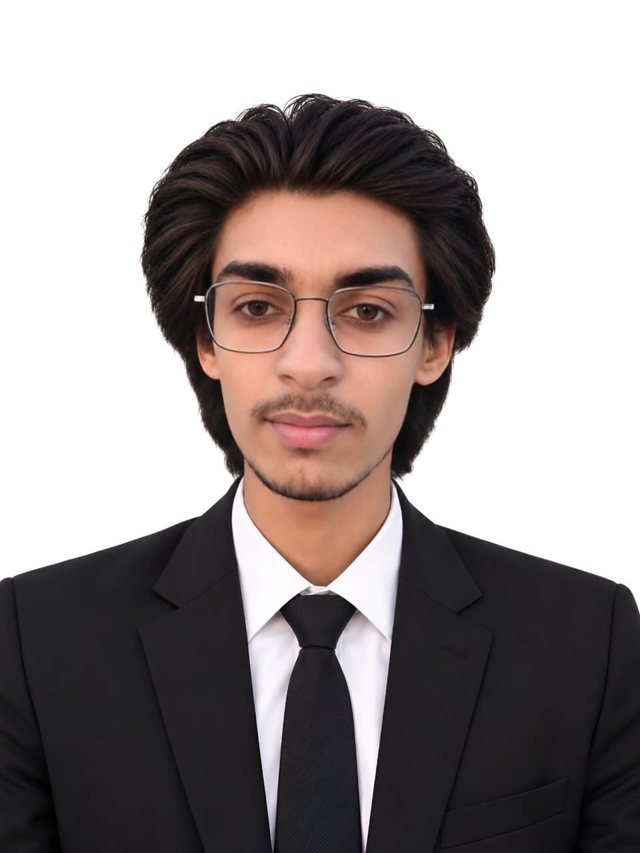
Vinu Jaglan
Philosopher, psychologist, author and content creator
Vinu Jaglan teaches philosophy, psychology, politics and society to a Hindi-speaking audience of more than one lakh YouTube subscribers (Silver Play Button, 600+ videos). He is the author of nine books, holds a BSc in Psychology from IGNOU and is pursuing master's degrees in Psychology (IGNOU), Philosophy (Kurukshetra University) and Political Science (MDU …